The Fear Is in the Room: How Asian Horror Scares You Without Raising Its Voice
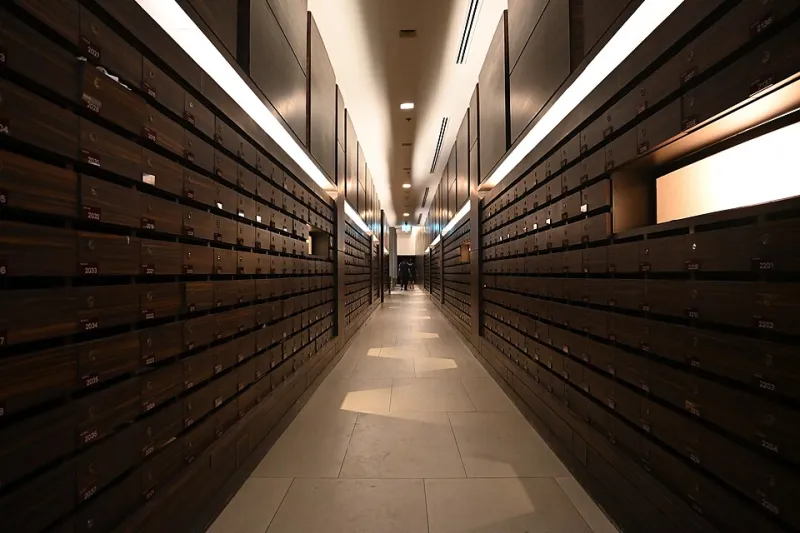
Photo: PattayaPatrol, CC BY-SA 4.0, via Wikimedia Commons
American horror has gotten loud. Not bad-loud, necessarily. But loud. The jump scare, the bass drop, the sudden face in the mirror: these are reliable tools, and when they work, they work. The problem is that they can leave you with a startle and not much else. Asian horror has spent decades proving there is another way. It can be quiet. It can be patient. It can make a hallway feel like a threat before anything appears in it.
This is not a monolith. Asian horror covers ghost stories, folk rituals, body horror, and plenty of loud movies too. But the strain that has traveled best to US viewers is the slow-burn kind: the film that does not chase you around the house. It waits for you to notice it is already inside.
The Scare Is in the Sound
Quiet horror is often described as atmospheric, which is a polite way of saying the sound design is doing the heavy lifting. A refrigerator hums. A floorboard creaks. A child breathes in the next room. The movie trains you to listen for tiny changes, and then it lets those changes sit there.
That is a different contract with the audience. A jump scare says, I am about to surprise you. A slow-burn horror film says, keep listening. The absence of a musical sting can be more unnerving than the sting itself, because your brain starts filling in the silence. By the time something happens, you have already been scared for ten minutes.
Home Is Where the Dread Is
A lot of Asian horror takes place in apartments, family homes, schools, and hospitals. These are not random backdrops. They are spaces where etiquette matters, where people are supposed to behave a certain way, and where something being slightly off is more disturbing than a monster in the woods.
A wet stain on the ceiling. A door that should be closed. A family dinner where no one says the obvious thing. The horror comes from the feeling that the place you live in has stopped following the rules. For American viewers, that can hit harder than a haunted mansion, because it looks like a place you have actually been.
The Ending Does Not Need to Explain Itself
American horror often ends with a final girl, a defeated monster, or a sequel hook. Asian slow-burn horror is comfortable leaving a little rot in the frame. You may get an explanation. You may not. The point is not always to solve the ghost. The point is to make you live with the question.
That unresolved dread is why these films stay with you after the credits. You are not replaying a jump. You are replaying a room, a sound, a look. The fear has moved from the screen into your head, which is a much harder place to turn off.
The Watchlist: Seven Quiet Chillers to Queue Tonight
- Pulse (2001): A ghost story built around computers and loneliness. The dread is in the silence between logins.
- A Tale of Two Sisters (2003): A family home full of polished wood, bad memories, and rooms that seem to be keeping secrets from each other.
- Dark Water (2002): Maybe the definitive haunted-apartment movie. Water stains, motherhood, and a slow leak of despair.
- Ju-on: The Grudge (2002): The franchise became a jump-scare brand, but the original is a masterclass in dead air and domestic haunting.
- Shutter (2004): A photographer starts seeing things in his developed images. The scares are in the frames, not just the reveals.
- The Wailing (2016): Part folk horror, part police procedural, part spiritual crisis. Long, strange, and impossible to shake.
- Incantation (2022): A found-footage-style curse movie that makes the viewer feel implicated. Quiet in places, ruthless in effect.
How to Watch Without Ruining It
Quiet horror is not background viewing. Put the phone away. Use headphones if you can. Turn the lights down, but not off. Give the movie permission to be slow. If you spend the whole runtime waiting for a jump scare, you will miss the actual scare, which is the growing suspicion that something is wrong and no one is going to fix it.
The Aftertaste Is the Point
Asian slow-burn horror does not always give you the catharsis of a scream. It gives you the aftertaste: the hallway you do not want to walk down, the sound you keep hearing in your own apartment, the ending you cannot quite explain to a friend. That is not a failure of the genre. It is the whole trick. The fear is not in the jump. It is in the room after the jump does not come.